

Fake chargers are common enough in Kenya's electronics market that the Kenya Bureau of Standards (KEBS) runs a free SMS verification service specifically for this problem. Before you plug anything into your phone, here's how to actually check.
How do I verify a charger's KEBS standardisation mark?
Look for the KEBS Standardisation Mark (the "S-mark") printed on the charger or its packaging, then text the code beneath it to KEBS. Compose an SMS in the format SM# followed by the permit or standardisation number shown on the mark, and send it to 20023 — KEBS replies immediately confirming whether the mark is valid, along with the manufacturer and permit status (KEBS Market Surveillance FAQ). No mark at all, or a mark that doesn't verify, is a hard stop — don't use the charger.
How big is the counterfeit-electronics problem in Kenya, actually?
It's larger than most buyers assume: a 2025 Anti-Counterfeit Authority (ACA) firm-level survey found that roughly 20% of products in the Kenyan market are counterfeit, costing the economy an estimated Ksh 800 billion annually (Eastleigh Voice, 2025). Electronics are a named risk category — smartphones and home appliances are among the most frequently counterfeited items, and the same ACA report found 31.27% of counterfeit transactions now happen online, not just at physical stalls (TechWeez, 2025). A charger bought from an unverified online seller carries the same risk as one bought from an unverified street stall — the KEBS check applies either way.
What physical signs suggest a charger is fake, beyond the KEBS mark?
Three signs are worth checking even before you reach for your phone to text KEBS:
- Weight and build. A counterfeit charger is often noticeably lighter than a genuine one of the same claimed wattage — internal components are cut to reduce cost, and those components are exactly what determines safe output.
- Heat under normal use. A charger that gets noticeably hot to the touch during ordinary charging — not just fast-charging a large device — is under-built for the load it's handling. Stop using it.
- Price relative to claimed wattage. A charger priced far below the going rate for its stated wattage is the most common tell — undersized internal components are the cheapest way for a counterfeiter to hit a low price point.
What's actually at risk if I use a fake charger?
Beyond a wasted purchase, a substandard charger is a documented cause of fried charging ports and damaged phone batteries — the failure mode isn't hypothetical, it's the specific mechanism by which counterfeit power electronics damage host devices. This is why the check matters before first use, not after something goes wrong.
Where does Nimax fit into this?
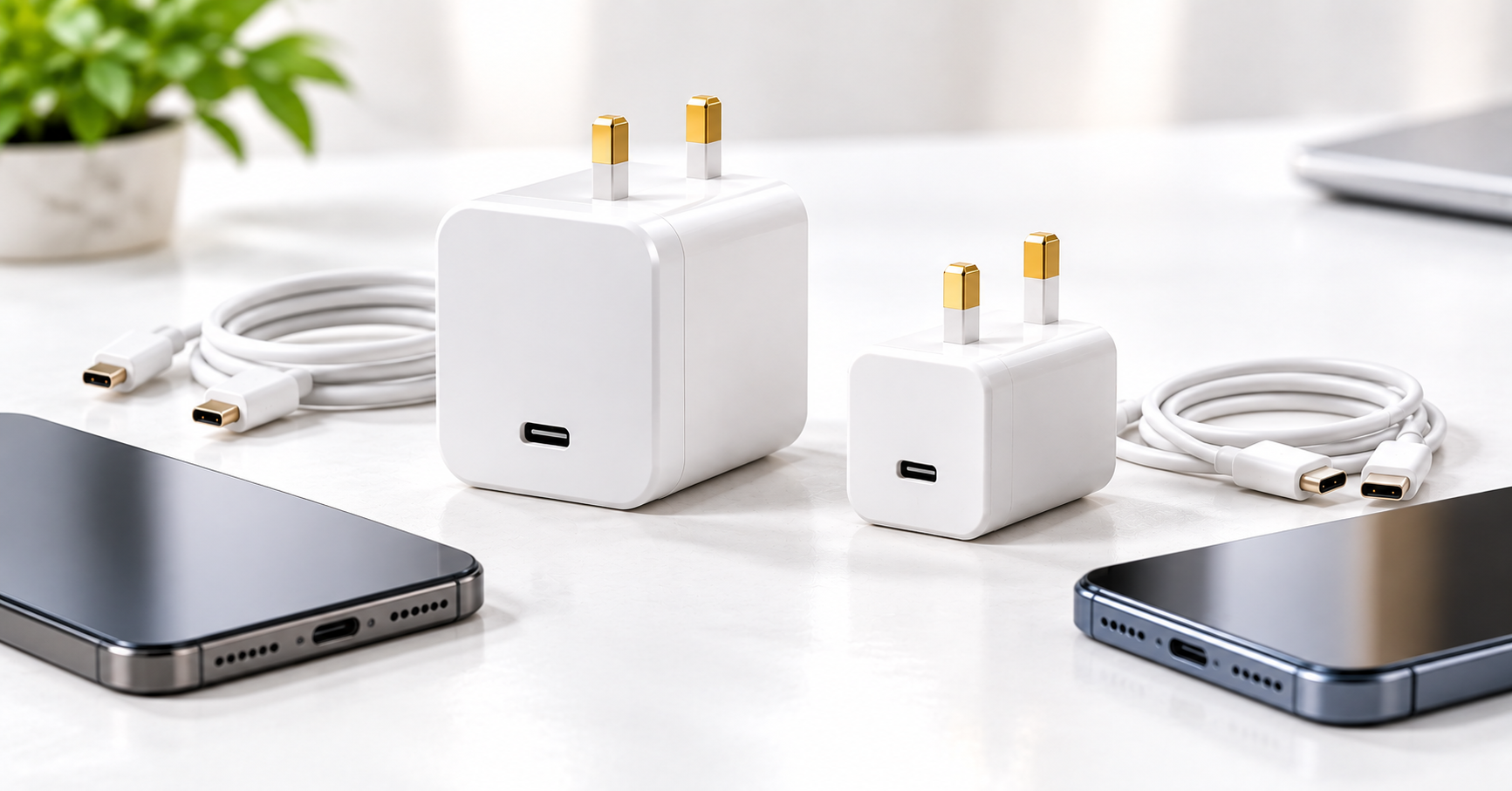
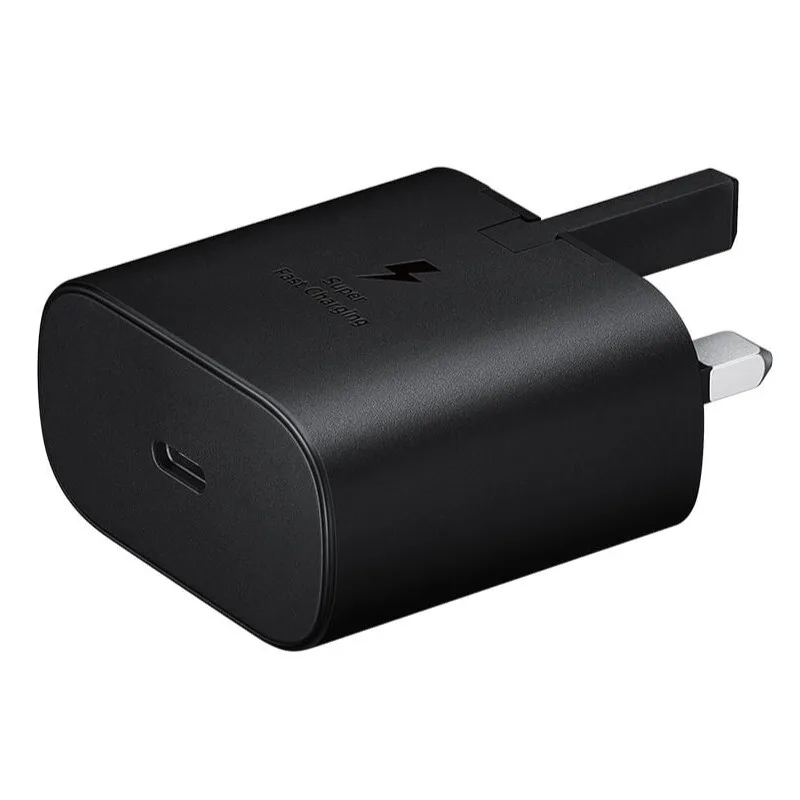
Nimax Electronics sells brand-new, genuine chargers and cables as part of its accessory range, backed by a 1-week post-delivery testing window with 1-to-1 replacement if a fault is found. Every accessory Nimax lists is expected to pass the same KEBS-style verification described above — if you're ever unsure about a charger you bought from us, the same SMS check applies, and we'd rather you verify it and tell us than assume.
If you're deciding between a standard and a GaN charger for your specific device, see our GaN vs Standard Chargers Buying Guide for the wattage-matching breakdown. For what happens if a charger you bought turns out faulty, see our Return, Refund & Warranty Policy.
Ready to buy a charger you don't have to second-guess? Browse Nimax's current charger and cable listings, or contact us if you want a recommendation for your specific phone or laptop.
Sources cited:



Comments (0)
No comments yet. Be the first to share your thoughts!